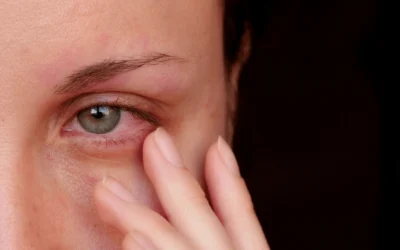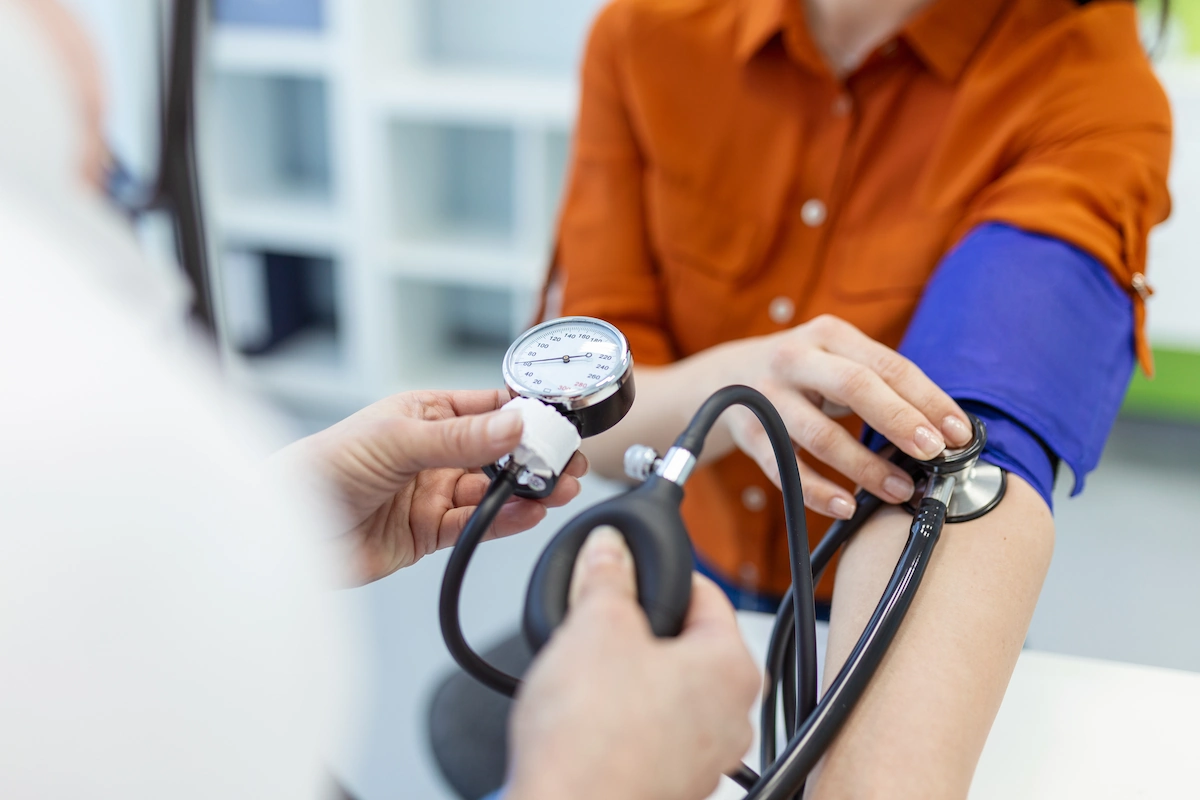
High blood pressure can affect more than your heart. Over time, it can damage blood vessels throughout the body — including the tiny, delicate vessels in your retina, the light-sensitive tissue at the back of your eye.
Because hypertension may not cause noticeable eye symptoms at first, routine eye care can support both your vision and overall health. A comprehensive eye exam gives your eye doctor an opportunity to examine the retina and the blood vessels visible at the back of the eye.
How can high blood pressure affect the eyes?
Persistently high blood pressure can cause retinal blood vessels to narrow, stiffen, leak, or become blocked. These changes are often called hypertensive retinopathy. They may develop gradually without obvious symptoms, particularly when blood pressure has been elevated for a long time.
Retinal blood vessel changes
High blood pressure places extra strain on blood vessel walls. In the eye, this can cause small retinal arteries to narrow and affect the normal circulation that supplies the retina. An eye doctor may notice these changes during a dilated exam, even when vision still seems clear.
Bleeding, swelling, or fluid buildup
More severe or poorly controlled hypertension can damage vessels enough to allow blood or fluid to leak into the retina. Swelling in or near the macula (the area responsible for detailed central vision) can contribute to blurry or distorted sight.
Blocked blood vessels
High blood pressure is a risk factor for retinal vein occlusion, which occurs when a vein carrying blood away from the retina becomes blocked. Vision changes may be sudden or gradual depending on the location and severity of the blockage. High blood pressure can also contribute to other circulation-related eye concerns.
Optic nerve damage
Very high blood pressure can affect the optic nerve, which carries visual information from the eye to the brain. Swelling of the optic nerve is a serious finding that requires prompt medical evaluation.
Can high blood pressure cause blurry vision?
It can, particularly when hypertension has led to retinal swelling, bleeding, a blocked blood vessel, or optic nerve involvement. However, early hypertensive eye changes often do not cause vision symptoms. Regular eye exams are important because they can help identify concerns before they noticeably interfere with sight.
Sudden vision loss, new double vision, severe headache, flashes, or a dramatic change in vision should be evaluated promptly. These symptoms are not always caused by blood pressure, but they can signal a serious eye or medical concern.
Protect your vision through ongoing care
Keeping blood pressure within your provider’s recommended range is one of the best ways to reduce the risk of hypertension-related eye damage. Continue taking prescribed medication, attend regular medical appointments, and report vision changes promptly.
Regular comprehensive eye exams can help monitor your eye health and detect changes associated with high blood pressure. Schedule an appointment at our Council Bluff office or Omaha office to support clear vision and your long-term wellness.