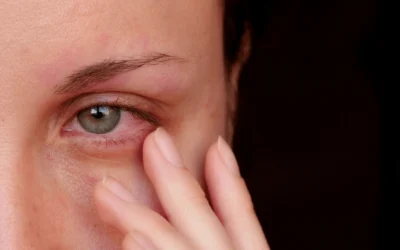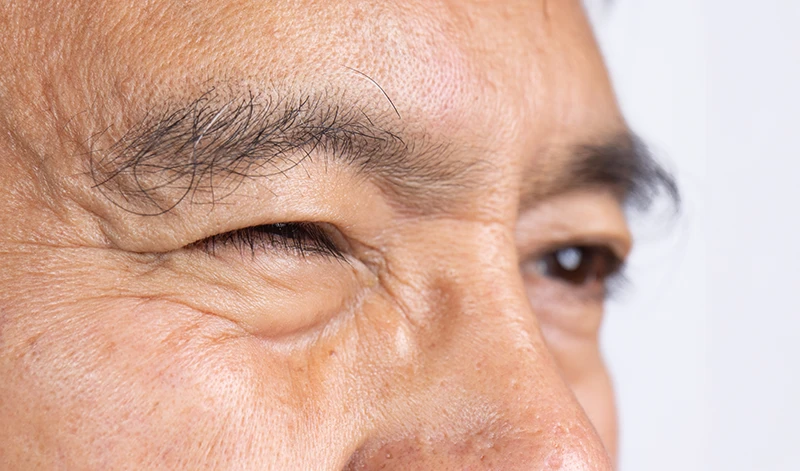
Have you ever noticed your eyelid twitching while you’re working, driving, or trying to relax at the end of the day? In many cases, it’s harmless and temporary, but certain symptoms may indicate it’s time for a closer look.
In this blog, we share some of the most common causes of eye twitching and when you should schedule an eye exam.
What is eye twitching?
Eye twitching, medically referred to as myokymia, is an involuntary spasm of the eyelid muscle. Most commonly, it affects the lower eyelid, though the upper lid can be involved too.¹ The twitches can last for a few seconds or persist on and off for days or even weeks.
In most cases, eyelid twitching is benign, meaning it’s not caused by anything dangerous. But that doesn’t mean it should be completely ignored, especially if it sticks around or comes with other symptoms.
What causes eye twitching?
There’s rarely a single cause of eye twitching. More often, it’s a combination of lifestyle factors that push the muscles around your eyes into overdrive. The most common culprits include:
- Fatigue and lack of sleep
- Caffeine
- Stress
- Anxiety
- Eye strain
- Dry eyes
- Medications
- Alcohol and dehydration
- Nutritional deficiencies
How to make eye twitching stop
For most people, simple lifestyle adjustments are all it takes:
- Get more sleep and stick to a consistent schedule
- Reduce or redistribute your caffeine intake
- Take regular breaks from screens using the 20-20-20 rule: every 20 minutes, look at something 20 feet away for 20 seconds
- Stay hydrated
- Use lubricating eye drops if your eyes feel dry or irritated
- Address stress through exercise, mindfulness, or other tactics
If you wear glasses or contact lenses and are constantly squinting or straining to see clearly, it may be time to update your prescription. An outdated prescription is a surprisingly common and overlooked cause of eye fatigue and twitching.
When should you see a doctor for eye twitching?
Most twitching resolves on its own within a few days, but there are situations where it requires a professional evaluation.
- It lasts more than a few weeks. Persistent twitching that doesn’t respond to lifestyle changes is a reason to have your eyes evaluated. A comprehensive eye exam can rule out underlying issues, including problems with your vision, dry eye, or other conditions affecting the front surface of the eye.
- The twitching spreads or worsens. If you notice the twitching extending to other parts of your face, such as your cheek, lip, or jaw, that’s different from ordinary myokymia and should be evaluated promptly by a medical professional.
- Your eye is closing completely. Occasional fluttering is one thing, but if your eyelid is forcibly closing or you’re having trouble keeping it open, that’s a more serious condition called blepharospasm.² It’s not common, but it does require treatment.
- Your eye is red, swollen, or has discharge. These signs suggest an infection or inflammation that needs attention, not just rest.
- Vision changes accompany the twitching. Any time twitching occurs alongside blurred vision, double vision, drooping of the eyelid, or facial weakness, see a doctor right away. These symptoms together can sometimes indicate a neurological issue that needs prompt assessment.
Could dry eye be causing your eye twitching?
Dry eye is one of the more underdiagnosed causes of eye twitching, particularly in people who spend a lot of time on screens or live in dry climates.³ Many patients don’t realize how significantly dry eye affects their overall eye comfort and function.
If your eyes frequently feel gritty, tired, or irritated, or if you notice that your twitching is worse at the end of the day or after long screen sessions, dry eye may be the underlying cause.
Dry eye treatment options have expanded significantly in recent years, ranging from prescription drops and in-office procedures to targeted lifestyle recommendations. Getting evaluated is the best way to find out what’s going on and which approach is right for you.
Don’t wait to seek professional care
Eye twitching is rarely a cause for alarm, but that doesn’t mean you have to just wait it out without answers. Whether you’re dealing with persistent eye twitching, symptoms of dry eye, or it’s been a while since your last visit, the team at Ideal EyeCare is ready to help.
Schedule your appointment today at one of our convenient locations in Council Bluffs or Omaha and get the care your eyes deserve.
References: