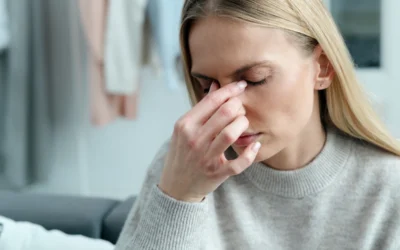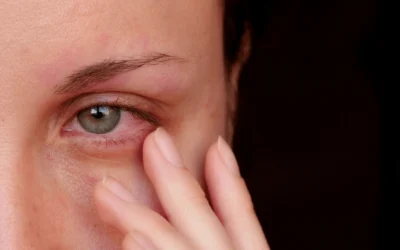
It happens to every contact lens wearer at some point. You sit down on the couch after a long day, close your eyes for just a minute, and wake up three hours later with your contacts still in.
Sleeping in your contact lenses may seem harmless, but it can increase your risk of eye infections and other complications. In this blog, we’ll explain why sleeping with contacts in isn’t usually recommended and how you can keep your eyes healthy and protected.
Can you sleep with contacts in?
In most cases, no. Eye doctors generally recommend removing your contact lenses before sleeping, even if you only plan on taking a short nap.
Your corneas receive most of their oxygen directly from the air. When you close your eyes to sleep, your corneas naturally receive less oxygen. Contact lenses create another barrier, which further limits oxygen flow. Reduced oxygen can make your eyes more vulnerable to irritation and infection while also slowing the eye’s natural ability to recover.
Sleeping in contact lenses increases your risk of:
- Eye infections
- Corneal ulcers
- Irritated, dry eyes
- Corneal inflammation
- Scratches on the surface of the eye
If you accidentally fall asleep wearing your contacts once, it does not necessarily mean you will develop a problem. However, making a habit of sleeping in your lenses can increase your chances of experiencing serious eye health issues.
What if my contact lenses are approved for overnight wear?
Some contact lenses receive FDA approval for extended or overnight wear. However, approval does not mean overnight wear is the healthiest option for every patient.
Even with extended-wear lenses, sleeping in your contacts still increases your risk of complications compared to removing them before bed.
Your eye doctor considers several factors before recommending overnight wear, including:
- Your eye health
- Tear quality
- Contact lens prescription
- Wearing habits
- History of eye infections
Many patients benefit from removing their lenses every night, even if they wear extended-wear lenses.
What should you do if you accidentally fall asleep in your contacts?
If you wake up wearing your contact lenses, don’t panic. In many cases, you can safely remove them after giving your eyes a chance to rehydrate.
Avoid pulling the lenses out immediately if your eyes feel dry. Instead:
- Blink several times.
- Use preservative-free lubricating eye drops if recommended by your eye doctor.
- Wait a few minutes until the lenses move comfortably.
- Remove the lenses gently.
- Give your eyes a break before wearing contacts again.
If your eyes remain painful, red, sensitive to light, or your vision stays blurry after removing the lenses, contact your eye doctor as soon as possible.
Can a short nap with contacts hurt my eyes?
Many people assume a 20-minute nap doesn’t count. Unfortunately, even short naps reduce oxygen to the cornea while your eyelids remain closed.
Although a brief nap carries less risk than sleeping overnight in your contacts, it still increases the chance of irritation and infection.
If you know you’re going to nap, remove your contact lenses beforehand whenever possible.
How to wear contact lenses safely
Healthy contact lens habits help protect your vision and reduce your risk of complications.
Follow these simple guidelines:
- Remove your contact lenses before sleeping unless your eye doctor specifically instructs otherwise.
- Replace your lenses according to the recommended schedule.
- Wash and dry your hands before handling your lenses.
- Clean reusable lenses exactly as directed.
- Never top off old contact lens solution.
- Replace your contact lens case every three months.
- Schedule regular contact lens exams to ensure your lenses continue to fit properly.
Healthy habits protect your eyes
Contact lenses offer convenient, comfortable vision correction for millions of people. Wearing them responsibly helps reduce your risk of complications and keeps your eyes feeling their best.
At Ideal EyeCare, we help patients in Omaha and Council Bluffs find contact lenses that fit comfortably and support long-term eye health. During your contact lens exam, we’ll review proper lens care, answer your questions, and recommend the safest wearing schedule for your eyes.