If you’ve been waking up with gritty, burning eyes, frequent headaches, or blurry vision that improves by mid-morning, your nightly rest may be part of the story. During a comprehensive eye exam, we can connect the dots between what you’re feeling day to day and what your eyes are doing behind the scenes, especially if fatigue is becoming your “normal.”
Below is a practical look at how sleep quality can show up in your eyes, and what you can do to improve your rest and your vision.
What your eyes are doing while you sleep
Sleep is prime time for repair. Your eyes use that window to restore the tear film, calm inflammation, and recover from the constant focus demands of work, screens, and driving.
When sleep is cut short or restless, your eyes may not complete that reset. You can feel it as:
- Dryness or stinging first thing in the morning
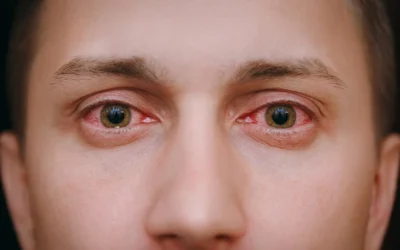
- Redness that lingers through the day
- Sensitivity to light
- “Heavy eyelids” or tired-looking eyes even after coffee
- Fluctuating blur (clear one minute, hazy the next)
Dry eye and poor sleep: a frustrating loop
Dry eye is one of the most common comfort issues we see, and sleep quality can either soothe it or intensify it. If you sleep with a fan blasting, in a very dry room, or with your eyes slightly open (it happens more than people realize), your tear film can evaporate overnight.
Poor sleep can also change how your body regulates inflammation and hydration, which can affect the glands in your eyelids that create the oil layer of your tears.
Signs your sleep and dry eye may be linked:
- Symptoms are worst in the morning and ease later
- You rely on drops daily but still feel scratchy
- Contacts feel fine for an hour, then become unbearable
- You blink less during focused tasks because you’re tired
An eye exam can help determine whether this is evaporative dry eye, allergy-related irritation, eyelid gland dysfunction, or something else entirely. The fix depends on the cause.
Digital eye strain gets worse when you’re tired
On low sleep, your focusing system works harder, your blink rate drops, and your eyes fatigue faster, especially on screens. That’s why a normal workday can feel oddly brutal after a rough night.
Try these realistic, non-fussy supports:
- Raise screens slightly below eye level (helps reduce surface dryness)
- Use artificial tears recommended by your eye doctor (not all drops are equal)
- Increase font size and reduce glare instead of squinting
- Take brief “distance looks” during natural pauses
If your eyes are still strained, it may be time to check whether you need an updated prescription or a specialty lens option for your workflow.
How an eye exam can help
If sleep problems are showing up in your vision, comfort, or headaches, a thorough visit is more than “reading letters.” We can evaluate tear quality, eyelid health, inflammation, and focusing performance, and tailor a plan to your daily routine.
A comprehensive eye exam may include:
- Dry eye testing and tear film evaluation
- Eyelid and oil gland assessment
- Prescription check (including screen-related needs)
- Discussion of lifestyle triggers (sleep, screens, meds, allergies)
- Guidance on treatments ranging from at-home care to in-office options
A clearer, more comfortable day starts here
If your eyes feel worn out before the day even starts, let’s figure out why and get you back to comfortable vision for work, driving, and downtime. Schedule an appointment with Ideal Eyecare in Omaha or Council Bluffs to discuss your symptoms and set up a comprehensive eye exam so you can stop guessing and start feeling better.